

















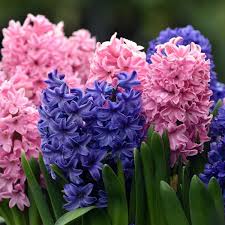
As winter fades and temperatures begin to rise, one flower quickly brings color and life back to gardens: the hyacinth. Known for its bright colors and strong, sweet scent, this spring-blooming plant is widely grown by both beginner and experienced gardeners. Hyacinths bloom in mid-spring, often appearing when many other plants are just beginning to grow and fill in garden spaces after winter.
This plant is grown from bulbs that must be planted months before they bloom. Gardeners typically plant the bulbs in the fall so they can develop during the winter. These bulbs require about 12 to 14 weeks of cold temperatures to grow properly, which helps trigger spring flowering. They are usually planted about 4 to 6 inches deep in the soil and spaced a few inches apart to allow room for growth. Without this cold period, the flowers may not bloom as expected in spring, which is why timing is important for success.
One reason these flowers are so popular is their wide range of colors. They can be found in shades of pink, purple, blue, white, and yellow. This variety allows gardeners to design colorful patterns in flower beds or create simple, uniform displays with a single color. Each plant produces one thick flower stalk covered in many small blossoms, creating a dense, eye-catching shape.
Most hyacinths grow to about 8 to 10 inches tall, making them easy to fit into garden beds, borders, or containers without overwhelming other plants. Hyacinths grow best in areas that receive full sunlight and have well-drained soil. If the soil holds too much water, the bulbs can rot and fail to grow properly. Because of their strong fragrance, gardeners often plant them near walkways, doors, patios, or windows so the scent can be easily enjoyed outdoors. Their fragrance is especially noticeable in the early spring air, making them a popular choice for sensory garden designs.
Hyacinths are commonly grown by people who want low-maintenance flowers with high visual and sensory impact. Beginners often choose them because they are easy to plant, while experienced gardeners use them to add early-season color when few other plants are blooming. According to information from Longfield Gardens, “…hyacinths are especially valued for blooming early in the season.” At a time when most plants have not yet flowered, they add bright color and noticeable fragrance to gardens. This makes them an important part of many spring landscapes.
Hyacinths are also commonly used as cut flowers. People often bring them indoors to brighten their homes during spring. When placed in vases, they can last several days and fill a room with fragrance. Their compact size makes them easy to arrange with other spring flowers, and they are often used in seasonal centerpieces and decorations.
Even though hyacinths are easy to grow, they do have some downsides. Many gardeners treat them as annuals, even though they are technically perennials. This is because the flowers are usually largest and most vibrant in the first year after planting. In later years, blooms may become smaller and less impressive, especially if growing conditions are not ideal.
Another important detail is that hyacinth bulbs can irritate the skin. Gardeners are often advised to wear gloves when handling them to avoid discomfort. This is especially important when planting many bulbs at once. Taking simple precautions can make the planting process safer and more comfortable overall.
Despite these challenges, hyacinths remain a popular choice for gardens everywhere. Their bright colors, strong fragrance, and early blooming season help them stand out among other flowers. For many people, they are one of the first clear signs that spring has truly arrived.