


















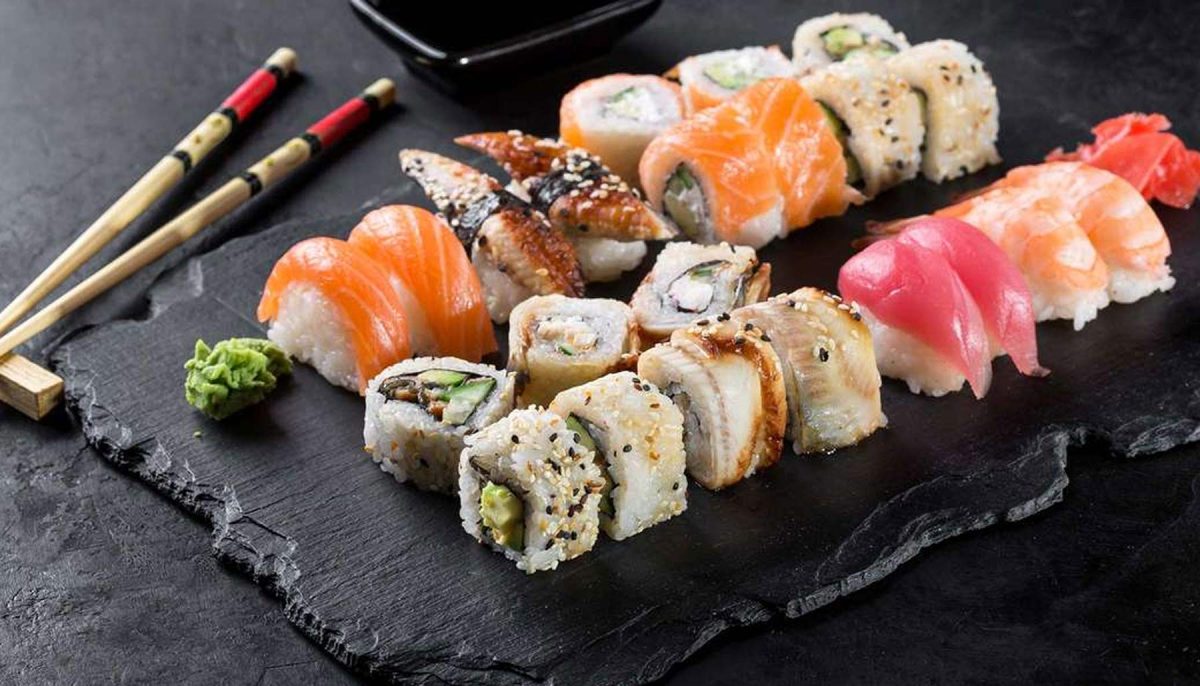
You probably know that different kinds of fish are used in sushi. But did you know that not all fish are used? Sushi is often considered a delicacy and has a reputation for being expensive. The high price of sushi is often due to the extensive preparation it takes to ensure that the fish is safe for consumption; sushi frequently contains raw fish, but which fish are safe to eat?
The first fish that is generally not safe to eat is freshwater fish due to higher parasite diversification rates in isolated habitats and the increased amount of hosts, such as snails. Another reason freshwater fish are generally unsafe to be eaten in sushi is the fact that some species of freshwater parasites have adapted to thrive in mammals such as humans. In “Sushi Fish to Avoid, “a quote from a famous sushi chef dives further into detail on this topic: “A lot of fish is mislabeled,” says chef Marc. “Even the restaurants don’t always know.”
Sardines are also another fish that could pose a threat in sushi, although they are commonly used in sushi such as nigiri, if not handled correctly can have a detrimental effect on your health. Since sardines are a delicate fish, it is important to correctly handle them to ensure they don’t contain harmful parasites.
Sushi is most commonly eaten in Japan, so how do they ensure they are eating safe sushi? It is because they follow a strict program that ensures all fish are stored at -4 degrees, killing off harmful parasites.
Now that you are knowledgeable about the different kinds of fish to eat in sushi, you can share this information with others. This information is not only relevant to sushi, but all kinds of raw fish! And if you ever feel unsure on if a fish is safe or not, remember to always ask a credible chef about the origins of a fish to ensure a positive effect on your health.